Bio 264 Which of the Following Is True of Glycogenisis
True False QUESTION 2 Which of the following is NOT true about glycogenesis. Which of the following is true about Glycogenesis.
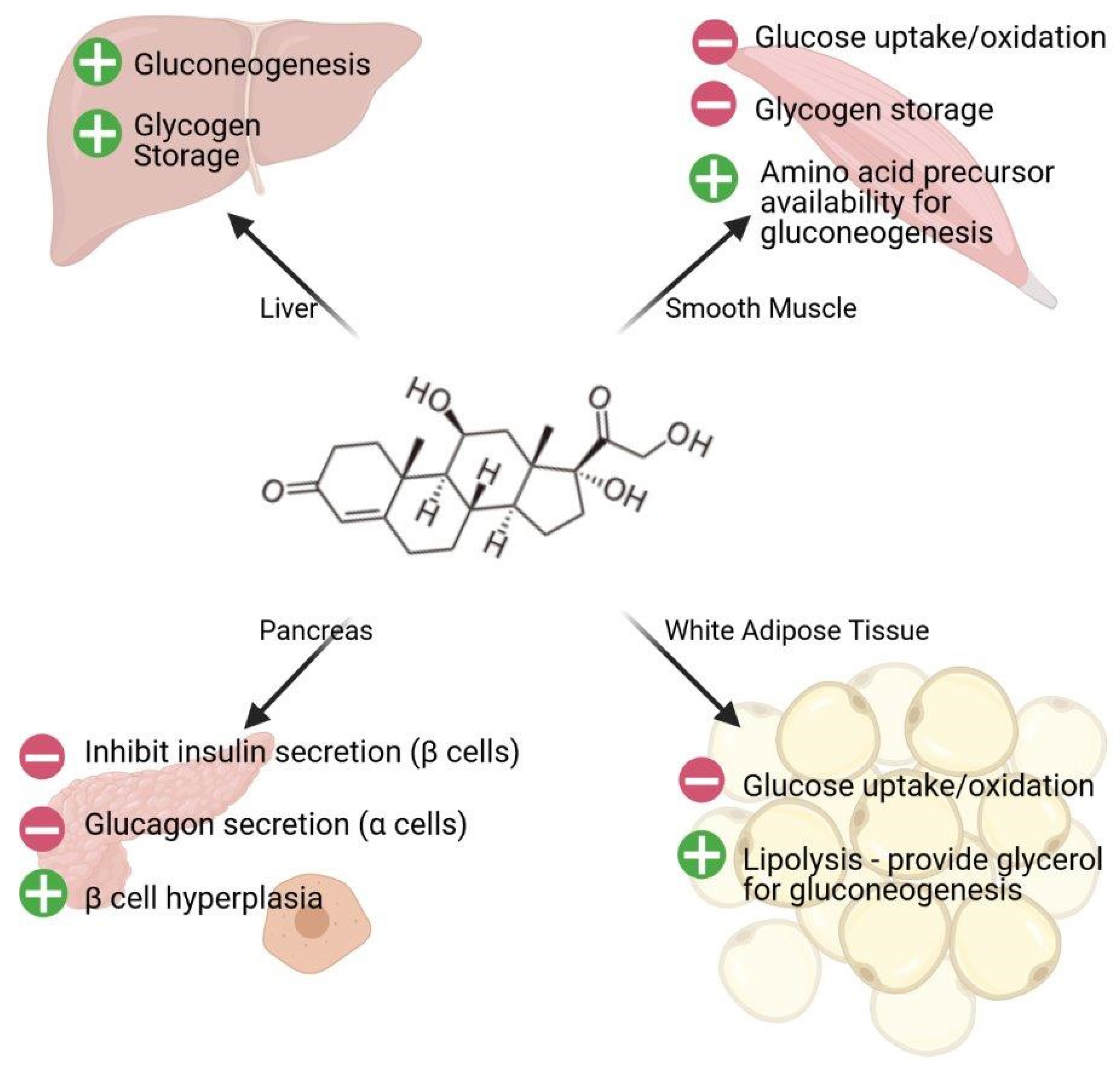
Ijms Free Full Text The Jekyll And Hyde Of Gluconeogenesis Early Life Adversity Later Life Stress And Metabolic Disturbances Html
Question 1 5 out of 5 points Which of the following statements concerning glycolysis is.
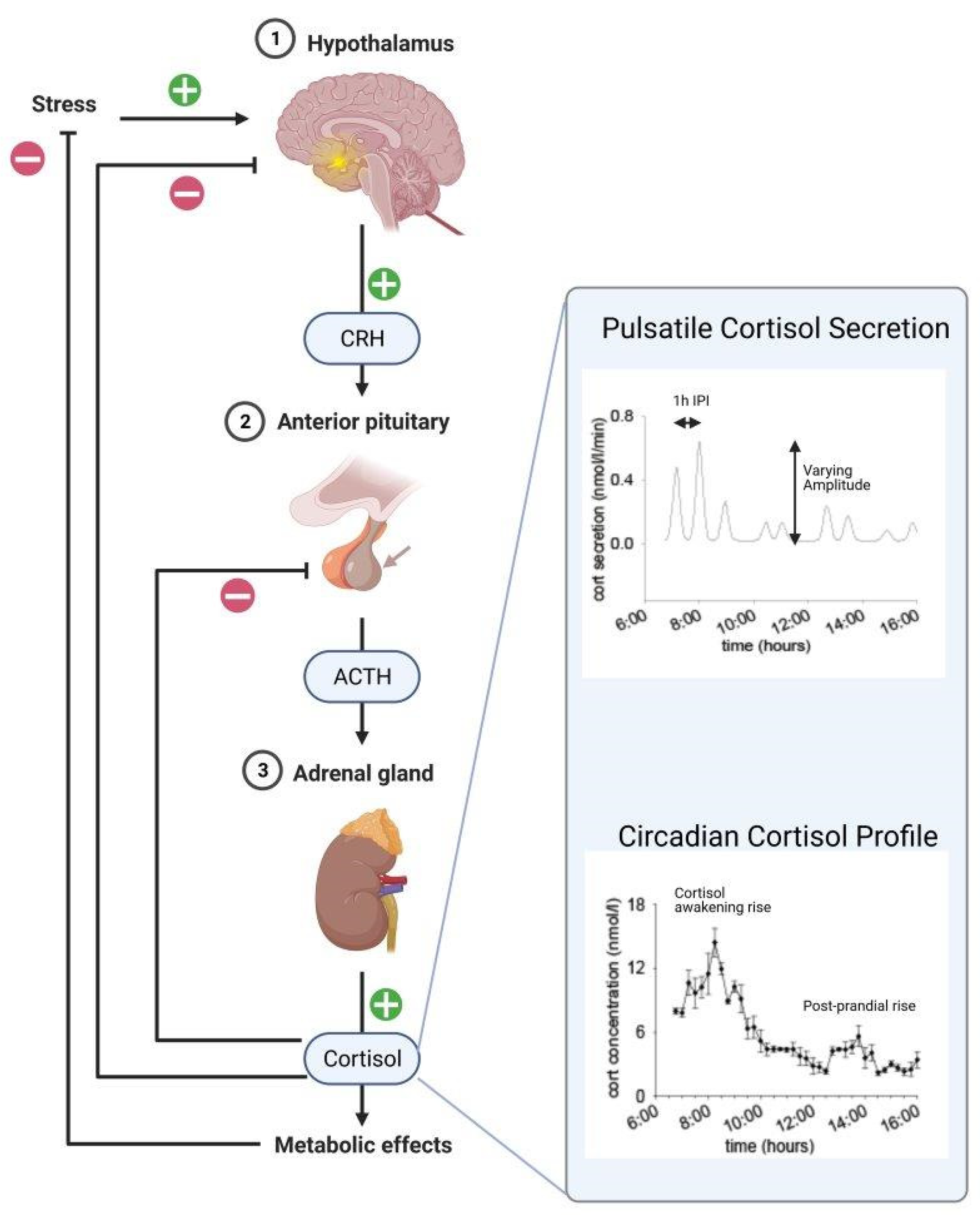
. Along with ATPs in the process of glycolysis 2 electron carrying molecules NADH are produced from NAD. One way to make glucose. Glycogenesis and lipogenesis are stimulated by this hormone.
All of the following statements concerning glycogen synthesis and glycogenolysis are true EXCEPT. 4 Length of the sacromere remains same. 2 Length of both anisotropic and isotropic band has changed.
Glycogen is synthesized and stored mainly in the liver and the muscles. See the answer See the answer done loading. These products are made via substrate-level phosphorylation a process in which a phosphorylated molecule transfers its phosphate to ADP or GDP.
In the human body the process of glycogenesis is activated post the Cori cycle when the body is in a rest period. 25th ed p587 MPL- 05. 2 carbon is the central atom in urea a molecule used by many living organisms to transport wastes from the body.
This is a Most important question of gk exam. Glycogen is the storage form of glucose in animals and humans. Is not broken down in the human body due to lack of the proper digestive enzymes.
However it may show its true Jekyll and Hyde nature when the HPA axis is perturbed. A Glycogen is a polysaccharide b Glycogen is a polymer of beta-D-Glucose c Glycogen consists of α1-4 and α 1-6 glycosidic linkage d Glycogen have are a helical structure with branching. Glycogen is from animals starch is from plants.
View Micro HW 5 from BIO 1331 at Winston-Salem State University. High blood glucose and high insulin will activate glycogen synthesis and inhibit glycogen phosphorylase. In congenital adrenal hyperplasia involving 21-hydroxylase deficiency which of the following is true.
This conversion does not require oxygen and in the process there is net gain of 2ATP. It commonly involves oxidative reactions D. 27- Which of the following statement is true about G-protein.
It consumes energy C. Performed by the hepatocytes. Brigham Young University Idaho BIO 264.
Decreased glycogenolysis and gluconeogenesis increased glycogenesis and glycolysis. It is involved in the breakdown of larger molecules B. Which of the following statements about glycolysis is true.
264 Following a fad diet of skimmed milk and yogurt an adult female patient experiences abdominal distention nausea cramping and pain followed. Which of the following is true regarding anabolism. Which of the following is are true example of catabolism.
During glycolysis one 6 carbon glucose is converted into two molecules of 3 carbon pyruvic acid or pyruvate. 1 Which of the following is false about glycogen molecules. Both A and B E.
Glycogenesis is reciporically regulated with glycolysis. 2 Which of the following organs does not have glycogen storage. Academiaedu is a platform for academics to share research papers.
Note more than one answer may be correct a. All of the above are true. 3 The myosin cross-bridges move on the surface of actin and the thin and thick myofilaments slide past each other.
QUESTION 1 Only glucose can enter glycolysis. D It occurs in the cell cytoplasm. The pathway does not require oxygen 2.
C It makes more ATP than the electron transport chain. A It produces FADH2. Which of the following is correct about the given figure.
The process usually occurs in the liver. A low insulin to glucagon ratio will activate glycogen phosphorylase and inhibit glycogen synthase. Furthermore the interaction between the HPA axis glucocorticoids and mechanisms of glucose homeostasis such as gluconeogenesis or insulin resistance may be the link between ELA and lifelong metabolic disturbances.
3 each carbon atom acts as an intersection point from which a molecule can branch off in up to four directions. Which of the following is not true of glycolysis. It is exergonic 268.
Identify the matched pair. This problem has been solved. Up to 10 cash back Explanation.
Glycogen is a multibranched polysaccharide of glucose. B It converts lipids into acetyl CoA. The glucose that is not used immediately is converted in the liver and muscles into glycogen for storage by the process of glycogenesis.
In glycolysis four ATP molecules made from each unit of glucose however two ATP molecules are used during this process so the net result of one round of glycolysis is two ATP molecules. Glycogenesis can be defined as the process through which glycogen is synthesized and glucose molecules are added to the glycogen chains for storage purposes. The quiz is a series of questions related to definitions of glycogenesis glycogenolysis and gluconeogenesis.
The substrate of glycogenesis is glucose. 1 carbon is the central atom of carbon dioxide a necessary molecule for photosynthesis. Glycogenesis occurs in muscle and liver tissue.
A Liver b Muscle c Intestine. Beta oxidation of fatty acid D. 1 The length of the thick and thin myofilaments has changed.
It will ask you to identify the correct definition in the choices provided. Options is. The product of glycogenesis is glycogen.
ADP is phosphorylated to ATP via substrate level phosphorylation 3The pathway requires two moles of ATP to get started catabo-lizing each mole of glucose 4.
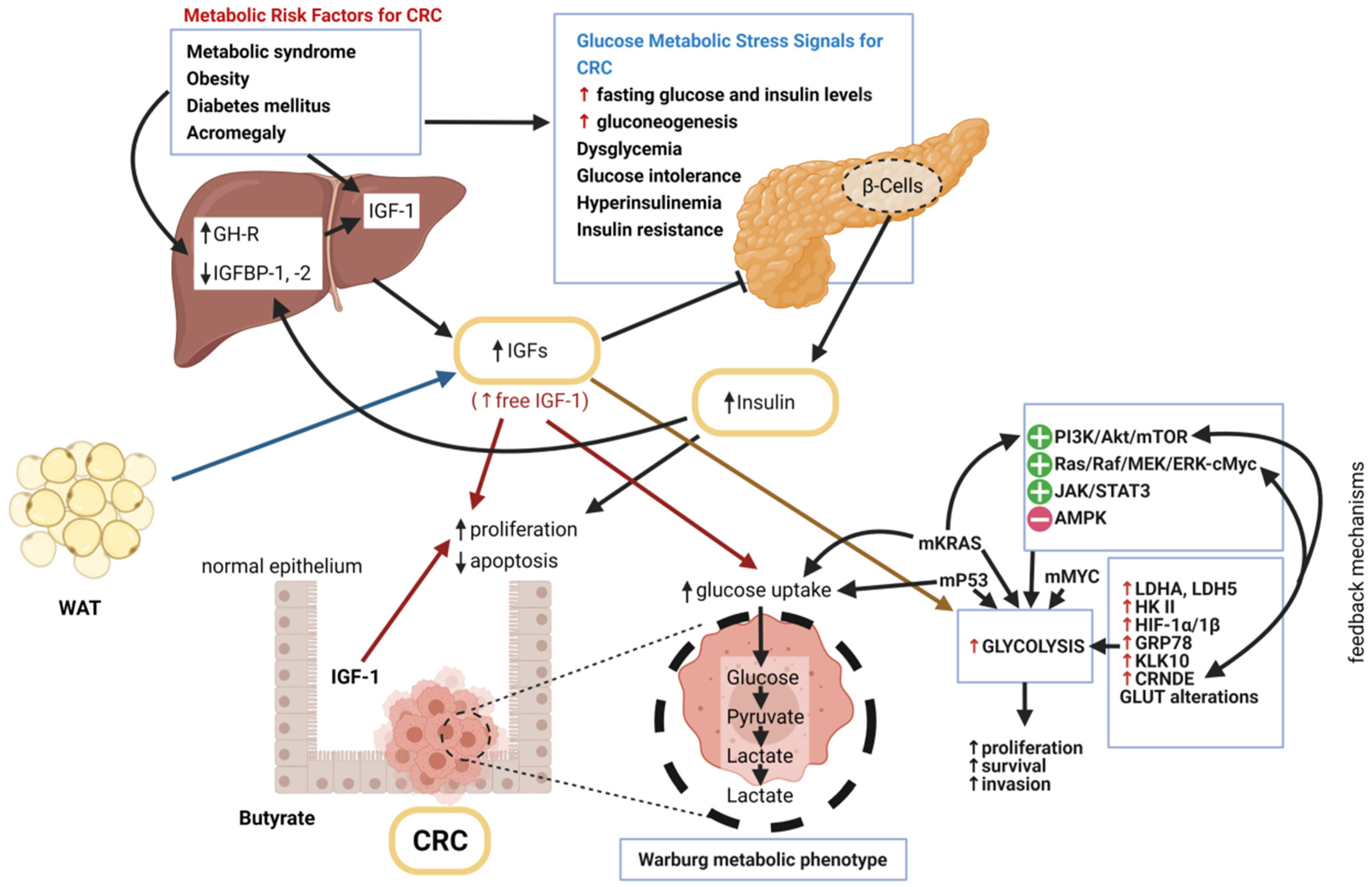
Ijms Free Full Text Insulin Like Growth Factor 1 Igf 1 Signaling In Glucose Metabolism In Colorectal Cancer Html
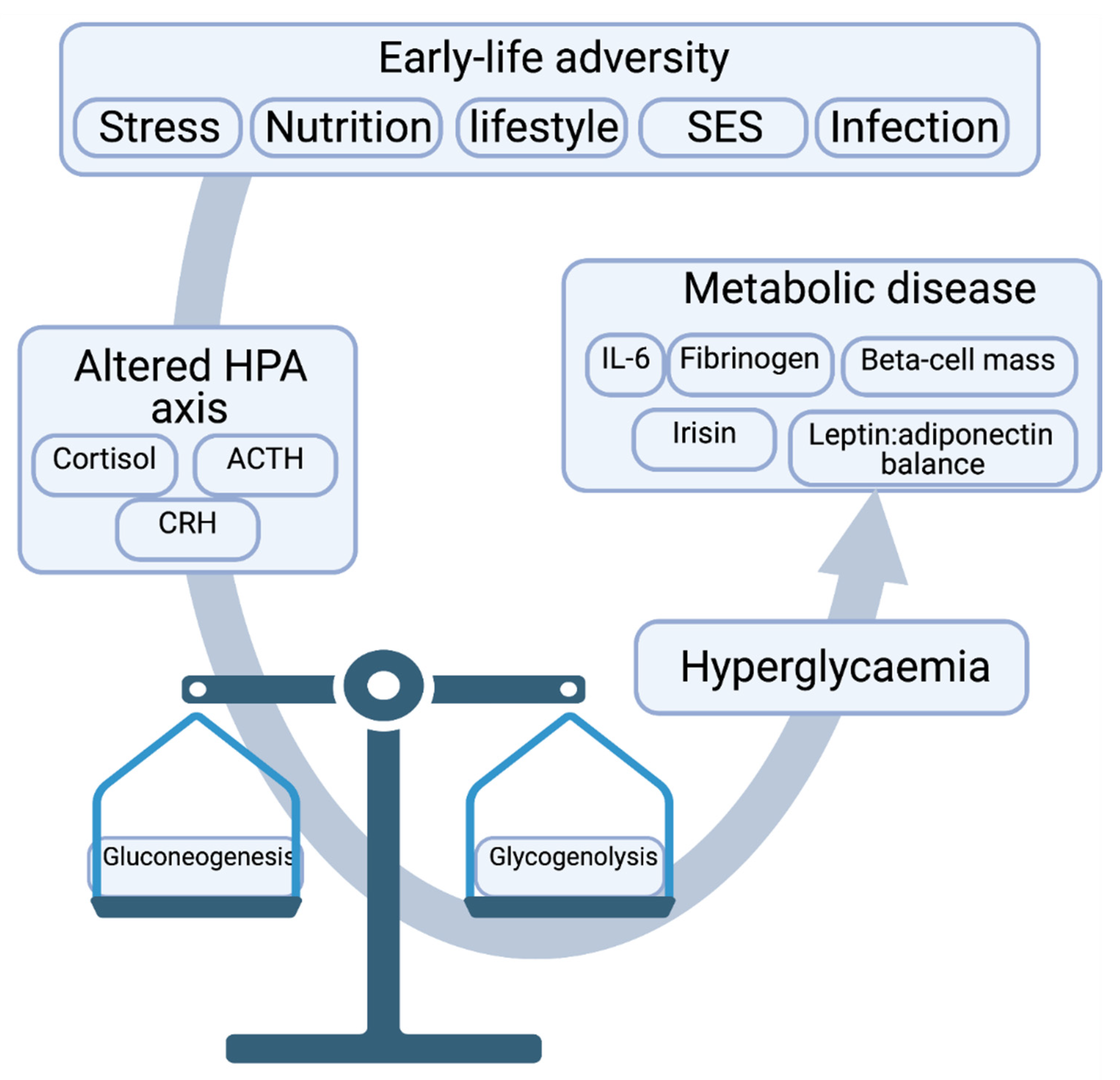
Ijms Free Full Text The Jekyll And Hyde Of Gluconeogenesis Early Life Adversity Later Life Stress And Metabolic Disturbances Html
Ijms Free Full Text The Jekyll And Hyde Of Gluconeogenesis Early Life Adversity Later Life Stress And Metabolic Disturbances Html


Comments
Post a Comment